
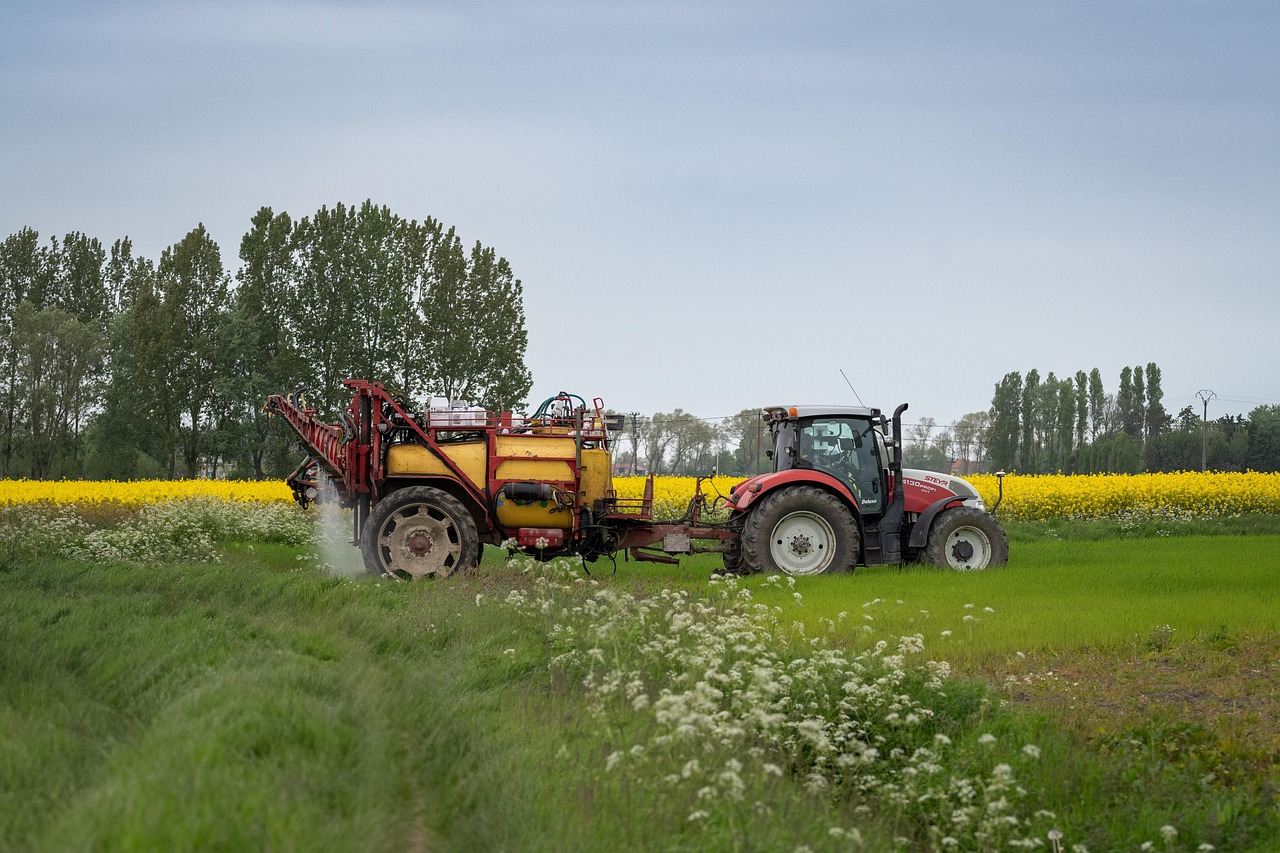
Farming has always been rooted in hard work, observation, and experience. However, with the Internet of Things in agriculture, everything is changing.
Now, you can get access to real-time data to increase crop yield, reduce waste, and more. This is making farming easier, more accessible, and increasingly more profitable.
Internet of Things (IoT) in agriculture refers to a network of smart devices and sensors that collect, analyze, and transmit data across various elements of a farming operation.
IoT devices can help automate many time-consuming tasks in farming—for example, irrigation, greenhouse ventilation, and feed distribution.
Simply, rather than relying on manual data, using a smart system via the IoT they automatically adjust based on real-time sensor data.
By reducing this manual input, you reduce labor and increase accuracy. This boosts crop yield and quality, as well as lowering labour costs.
When you see important farming data in real-time, like soil nutrients, livestock behavior, or plant stress, farmers can act faster and based on data. This alone can improve crop yield and animal health tenfold.
For example, in one study, it was shown that an IoT-based solution can help reduce water consumption in farming by 30% and increase crop yields. This reduces costs (by cutting water) and increases yield output (by supplying the crops with the healthiest amount of water).
Alongside the above, when you have access to precise data via the Internet of Things in agriculture, you only use what’s required. This helps reduce waste and costs regarding water, fertilizer, animal feed, etc.
Smart agriculture via the Internet of Things can be used throughout the farming operations.
For example:
Soil monitoring systems require sensors to be buried in the ground. These can then report soil pH, monitor, and nutrient levels. By having such data, farmers can optimize their fertilizer and water usage to ensure their soil gets the nutrients it requires to thrive.
These can be automated systems that are connected to both soil and weather sensors. This use case for the Internet of Things for Agriculture can help reduce water usage and prevent over- or under-watering.
Generally, these are small wearable devices that can monitor animal location, health, and movement. With such information, you’re able to identify whether an animal has an illness or injury, improving herd management.
IoT-enabled smart cameras and sensors can allow you to keep an eye on your equipment sheds, machinery, and storage units. They can even be used to visually monitor livestock. This can then alert you to any theft, tampering, or failures in real time.
Access control features that only allow certain people at certain times to access specific areas of your farm. For example, an owner can access all areas using their key card, but an employee can only access certain areas of the farm during work hours.
IoT in agriculture used to be a luxury. Something only large farms or organizations can use to get an “edge”. However, nowadays, it’s accessible to all farms, regardless of size.
At Beacon, we can help implement IoT on your farm. We can install wi-fi, install smart surveillance cameras, and even implement access controls.
For more information about how we can help, contact one of our team members today.
We'll handle the infrastructure so you can run your operation without interruption.